
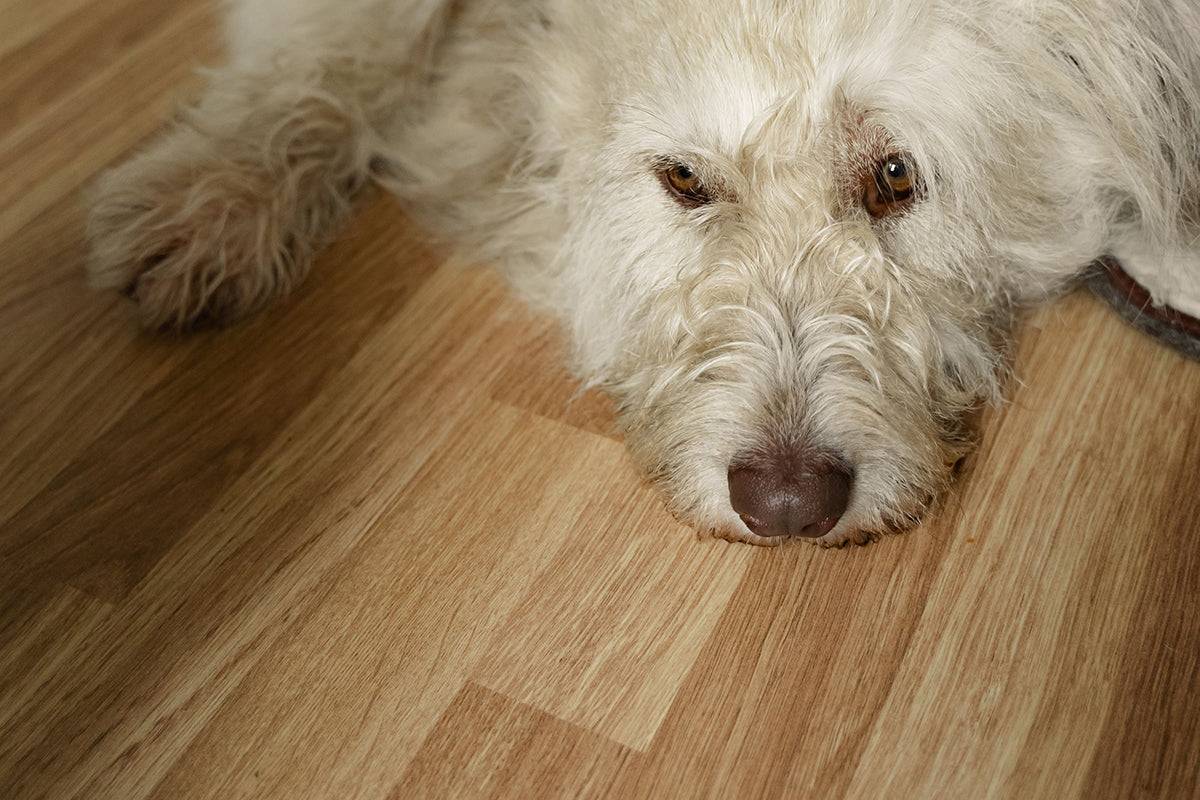
Let’s face it: finding the right flooring for pet owners can feel like a major balancing act. You love your furry friends, but you also love your home. You need a floor that laughs off sudden zoomies and muddy paws while staying incredibly easy to clean.
Hardwood floors are a gorgeous, timeless choice, but you might wonder if they can truly survive life with pets. Spoiler alert: they absolutely can. It all comes down to choosing the right wood species, picking a tough finish, and knowing a few insider maintenance hacks. Let’s dive into how you can create a beautiful, pet-approved space without sacrificing style.
Key Takeaways
- Species Matter: Oak, maple, and hickory offer excellent natural scratch resistance for busy, pet-filled homes.
- Hickory is King: Hickory boasts a massive Janka hardness rating, making it the ultimate heavyweight champion for active dogs.
- Tough Topcoats: Polyurethane and aluminum oxide sealers create a strong shield against daily wear and tear.
- Green Options: Eco-friendly, non-toxic oil treatments keep your floors protected and your pets safe from harsh chemicals.
- Quick Cleanups: Simple, routine sweeping and wiping up spills immediately will keep your wood looking flawless.
- Easy Fixes: You can DIY repair minor surface scuffs with light sanding, while deep gouges can be handled with professional refinishing.
- Long-Term Savings: Investing in durable flooring prevents frequent replacements and saves you money down the road.
- Real Value: Hardwood brings a natural warmth and boosts your home's resale value far better than basic tile or vinyl.
- Know Your Needs: If you are dealing with heavy potty-training challenges, certain waterproof alternatives might be worth a look.
Which Hardwood Floor Types Are Best for Pets?
Shopping for hardwood flooring when you share your home with animals means looking closely at natural strength. Not all woods are created equal, but oak, maple, and hickory are the clear top contenders for handling daily paw traffic.

How Do Oak, Maple, and Hickory Compare in Scratch Resistance?
These three species are excellent at standing up to claws. Oak is a beloved classic with a Janka hardness rating of around 1,290, giving it great natural resilience. Maple steps it up a bit at 1,500, making it fantastic for high-traffic zones, though its smooth grain can show wear if you skip routine care. Hickory is the ultimate winner with an impressive Janka rating of 1,820. If you have big, active dogs who love to sprint through the hallways, hickory is your best bet.
What Hardwood Hardness Ratings Matter for Pet Owners?
The Janka hardness test simply measures how well a wood species resists dents and wear. For a pet-friendly home, you generally want to look for a score above 1,200. Because hickory easily clears this bar, it is a top choice for pet parents. When picking your floor, always match the wood's hardness score to your pet's size and energy level.
What Are the Most Effective Pet-Friendly Floor Finishes and Coatings?
Choosing the right wood species is only half the battle. The finish you put on top does the heavy lifting, stopping scratches before they ever reach the actual wood.
How Do Polyurethane and Aluminum Oxide Finishes Protect Hardwood Floors?
Polyurethane and aluminum oxide are the gold standards for defense. Polyurethane creates a clear, tough top layer that locks out moisture and blocks surface scratches, making daily cleanups simple. If you want maximum armor, go for factory-applied aluminum oxide. It contains microscopic particles that significantly boost scratch resistance, keeping your floors looking pristine even in multi-pet households.

Which Eco-Friendly and Non-Toxic Floor Treatments Are Safe for Pets?
If you prefer a green approach, there are plenty of amazing non-toxic treatments available. Natural oils like linseed or hemp oil, along with plant-based waxes, are completely safe for paws and eliminate harsh chemical fumes. They protect the wood from within while letting it breathe, creating a healthier indoor environment for your whole family. Just keep in mind that they might require slightly more frequent touch-ups than heavy-duty chemical coatings.
How Can Pet Owners Maintain and Repair Hardwood Floors Effectively?
Caring for your floors doesn't have to be a chore. A simple routine and quick action will help you sidestep major flooring issues down the road.
What Are Best Practices for Cleaning Hardwood Floors with Pets?
Consistency is your best friend here. Start by sweeping or vacuuming regularly to keep loose dirt, pet hair, and abrasive grit from scratching the finish. When it's time to mop, use a damp microfiber mop with a gentle cleaner formulated specifically for wood.
Pro-Tips for Easy Upkeep:
- Immediate Clean-Up: Tackle accidents and water spills instantly to avoid stubborn stains.
- Use Pet-Safe Products: Always stick to gentle, non-toxic wood cleaners that won't harm your pets.
- Keep a Routine: Frequent, light upkeep preserves the floor's beauty and protective shine.
How Can Scratch and Water Damage from Pets Be Repaired?
Don't panic if a scratch happens. You can usually buff out minor surface scuffs with fine sandpaper and a touch of matching wood stain. For deeper gouges or severe water damage, a professional sanding and refinishing job will make the wood look brand new again. Staying on top of minor fixes keeps small issues from turning into expensive projects.
 Why Are Durable Wood Floors Important for Dogs and Active Pets?
Active pets put your flooring through a daily workout. Choosing a durable surface is about making smart, long-term choices for your home.
What Pet Behaviors Affect Flooring Durability Most?
Zoomies, jumping off the couch, and scratching at doors are the ultimate tests of floor strength. Energetic dogs can easily dent softer woods. That is why choosing a hard species like hickory and pairing it with a tough protective finish is so important to keep your home looking beautiful.
How Do Durable Flooring Choices Improve Long-Term Value for Pet Owners?
Investing in high-quality hardwood floors pays off. They shrug off daily wear, which means you won't have to worry about replacing your floors every few years. Plus, real hardwood adds massive timeless charm and market value to your property, which is a huge selling point if you ever decide to move.
How Do Pet-Friendly Hardwood Floors Compare to Alternative Flooring Options?
Before you make your final decision, it helps to look at how real wood stacks up against other popular choices on the market.
What Are Advantages of Hardwood Floors Over Vinyl and Tile for Pets?
Hardwood delivers a warm, high-end look and inviting feel that stone, tile, or vinyl simply can't replicate. It transforms the entire vibe of a room. On top of that, smooth wood is remarkably easy to sweep clean, whereas textured tile grout lines and cheap vinyl can trap dirt and stubborn pet hair.
When Should Pet Owners Consider Alternatives to Hardwood Flooring?
While hardwood is fantastic, it isn't always the perfect fit for every single situation. If you are currently dealing with a new puppy prone to frequent accidents, or if your pets spend most of their day outdoors tracking in heavy mud, you might want to look into waterproof alternatives like luxury vinyl planks. At the end of the day, the best choice depends entirely on your budget, your daily routine, and your unique pet family.

Share:
How to Care for and Maintain Hardwood Floors: Expert Tips
Discovering Dustless Floor Refinishing: A Homeowner's Journey